An Essay
A Case for Spirited Debate
What a 1906 guessing game at a country fair teaches us about truth, disagreement, and building a better village.
By Ragnar Oelsner · September 30, 2026
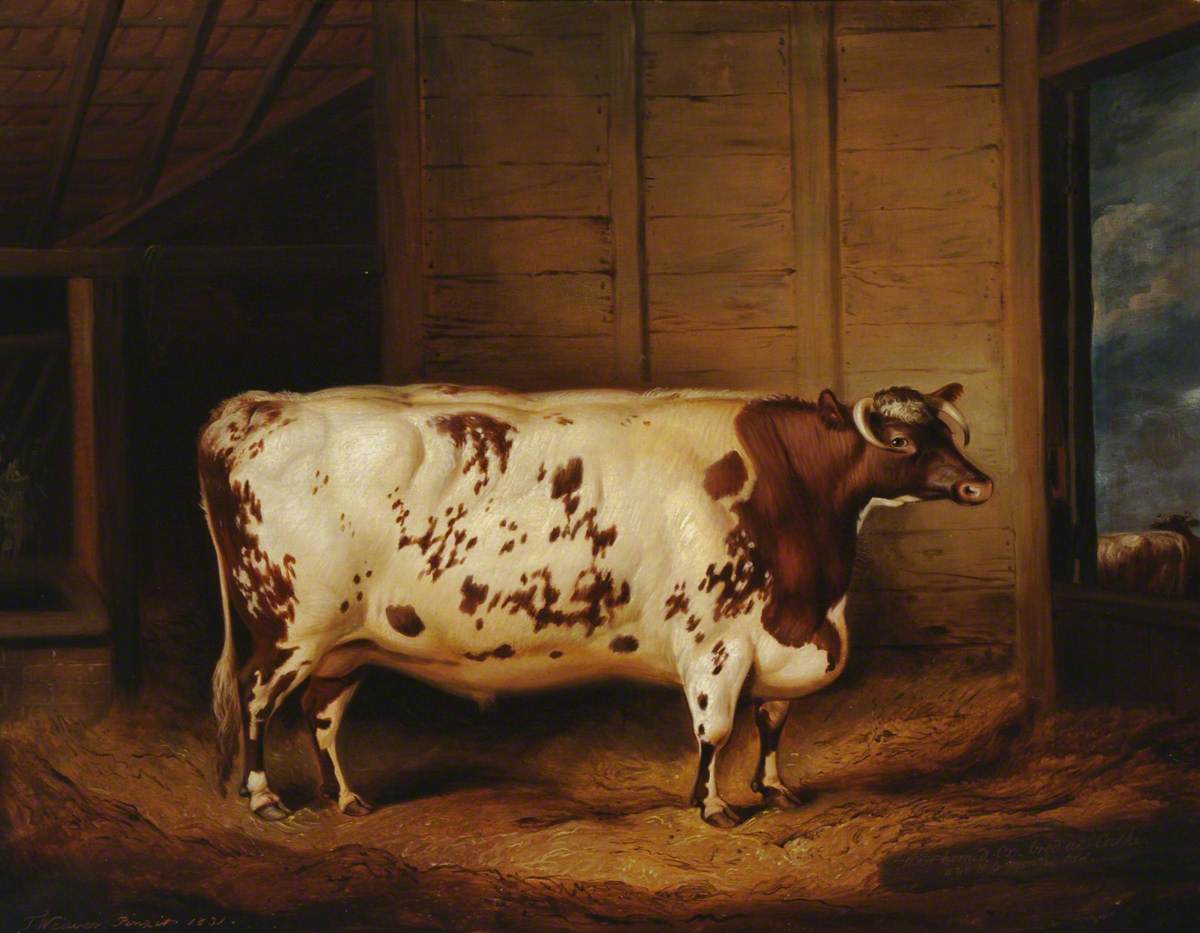
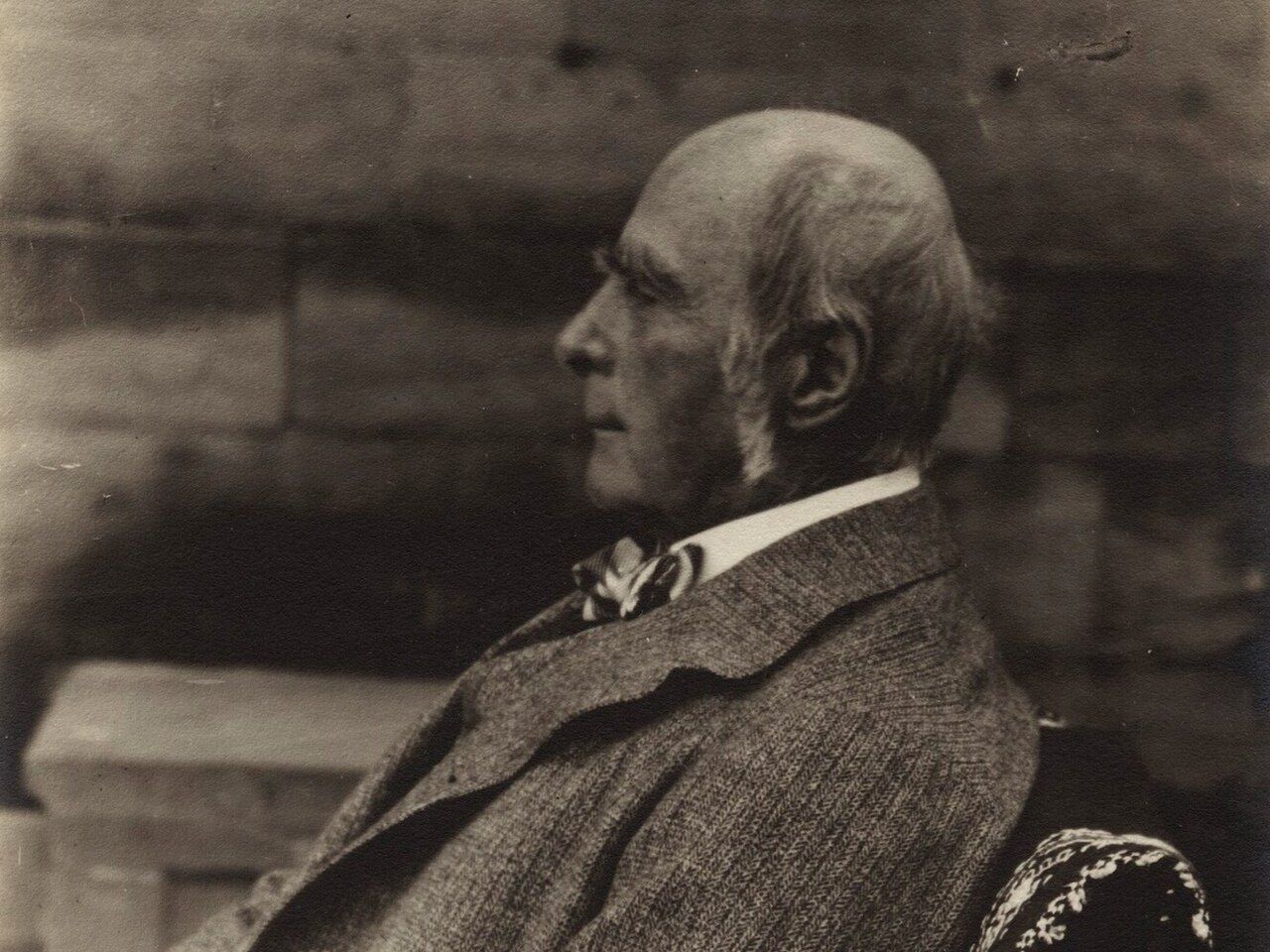
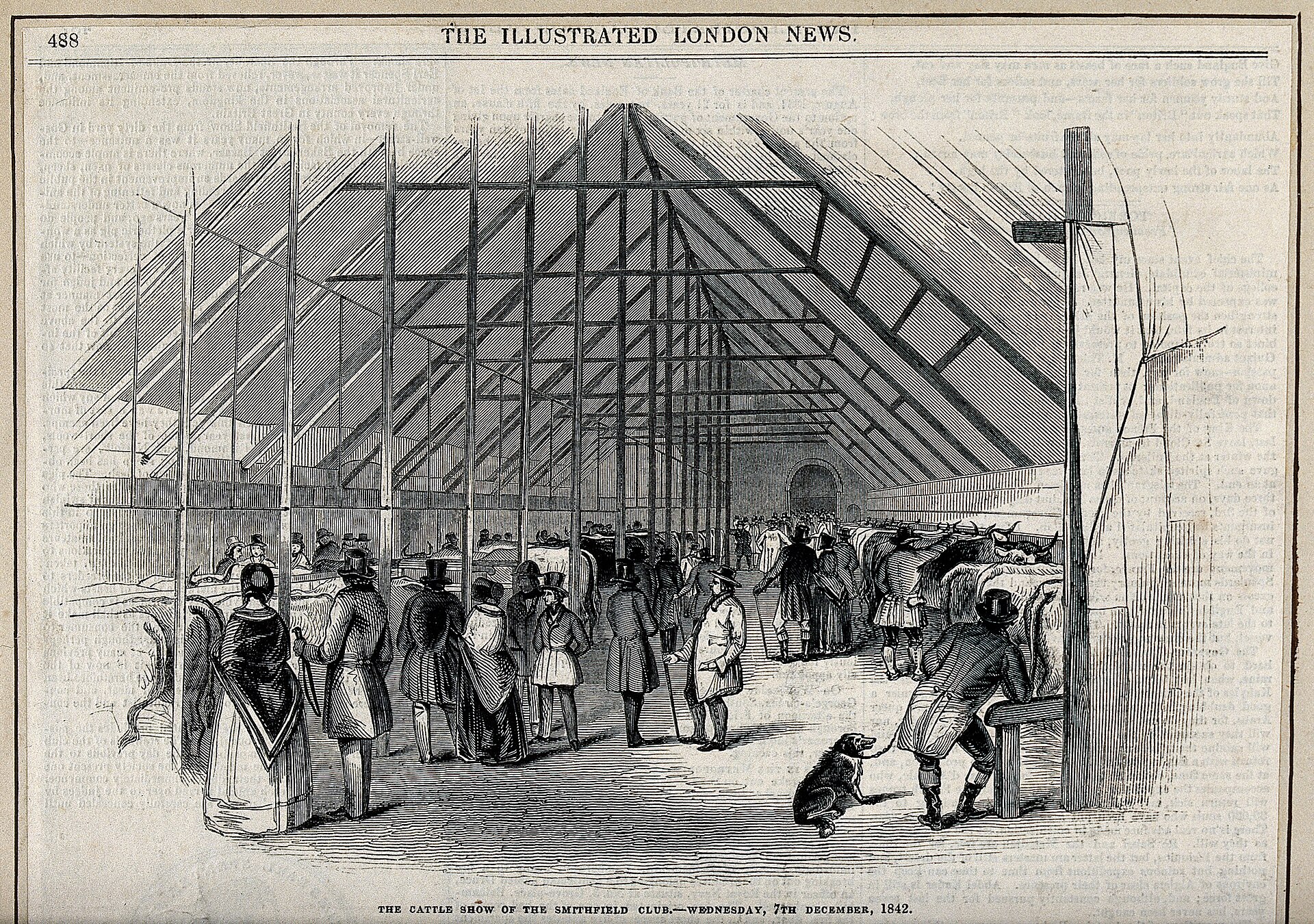
In 1906, at the West of England Fat Stock and Poultry Exhibition, Sir Francis Galton stumbled onto a social experiment.
Some 800 attendees paid to guess the weight of a prize ox. No single guess was particularly accurate. Some were wildly high, some wildly low. But the average guess... accurate to within one pound.
How is that possible, and what does it say about us?
The attendees all had different vantage points - different views of the animal.
In the modern era we model structures in a similar way, stitching together photos and sensory data from a multitude of different angles. The more perspectives, the more perfect the rendering.
That is how democracy - governance of and by the people - is meant to function. That is also the purpose of debate.
Whatever the topic of disagreement, debate functions like the rendering of a 3-D image of an issue, or the modelling of the weight of the ox. There are unique perspectives and considerations from the vantage point of your adversary. If your goal is a better understanding of the actual issue - the truth - you should seek to understand and incorporate whatever is true behind their arguments.
That is the essence of being charitable with people, the essence of reaching higher understanding, and likewise the essence of forging cooperation and alignment.
Thesis and antithesis lead to synthesis. It is the process of marrying the best elements of each perspective into a more accurate read of the whole.
That same constructive spirit can be applied not just to political topics and specific issues, but also to shaping relationships and communities. Just as you can identify valid concerns in even your adversary's argument, you can quickly admit and correct shortcomings when you discover them in your own. Water the honest and good, and prune the corrupt and bad - in others, and more importantly in yourself.
In a small village like Centre Island, with 40 years of history that has been unkind to dissent, I can understand why many are afraid to voice their opinions. It is not easy to stick your neck out or take a stand on an issue when recent history has shown that doing so bears unpleasant consequences. But being afraid to make your political voice heard bears a real long-term cost. There is a quote that inspired me to run for political office:
“The price good men pay for indifference to public affairs is to be ruled by evil men.”
That cost is felt in the decaying integrity of leadership, which leads to decaying trust in institutions, followed by the decay of the physical and social infrastructure that is the bedrock of public life.
I don't point any of this out to be negative - far from it. In the late stage of that process, it is easy to follow the herd into a subtle but corrosive cynicism: a blanket shrug of “that's politics” or “it is what it is.” To which I would say, resoundingly: no. This isn't what politics has always been, and it certainly isn't what it will be in the future. It will only continue for as long as people remain too disillusioned to imagine a better one.
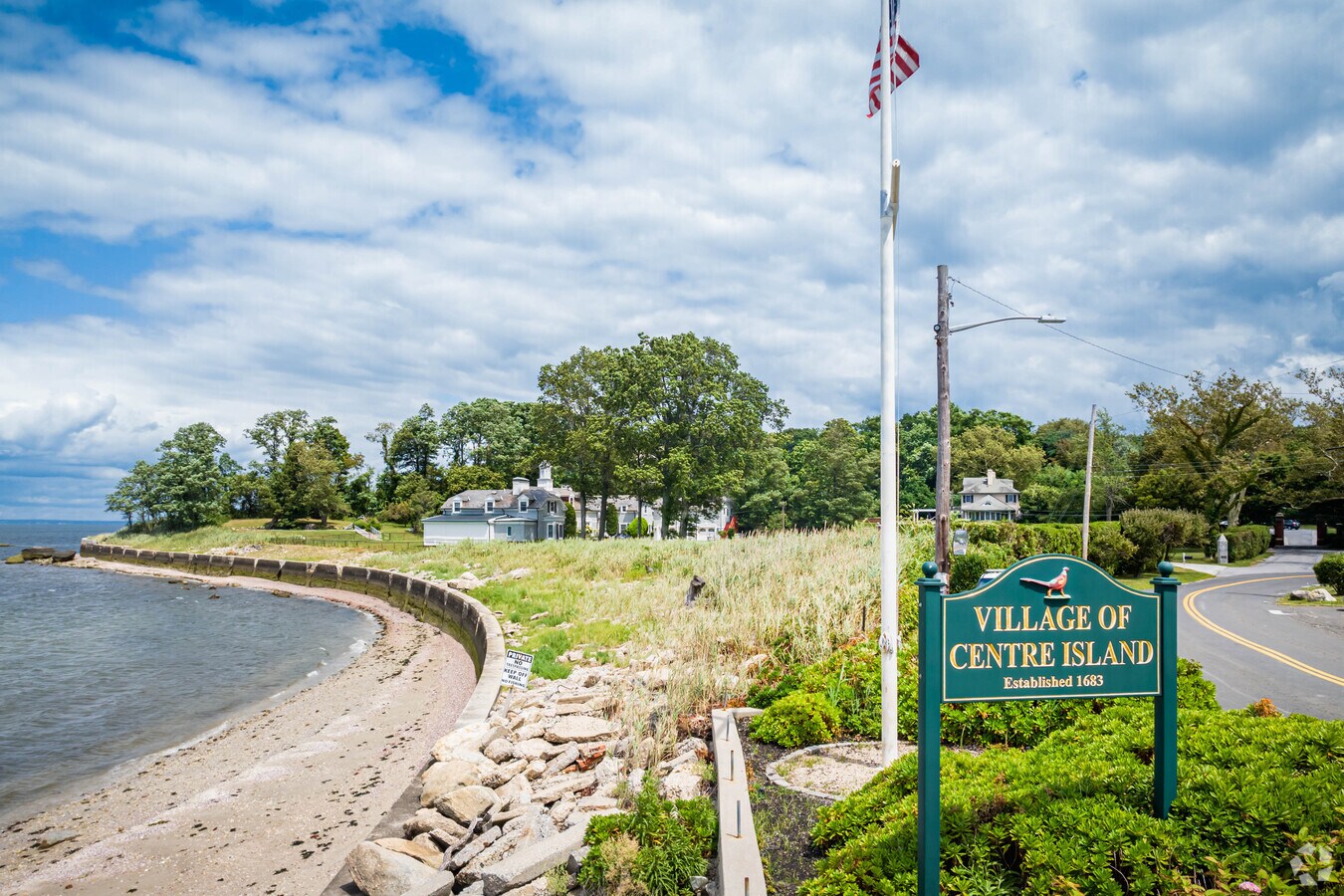
For all my faults, I'm a boundless optimist, and I see a beautiful future for Centre Island. Let this website be a platform to imagine your own future for Centre Island - and then we can all politely debate what that shared future looks like. :)
Best, Ragnar
Comments (0)
Be kind. Comments are public and moderated.